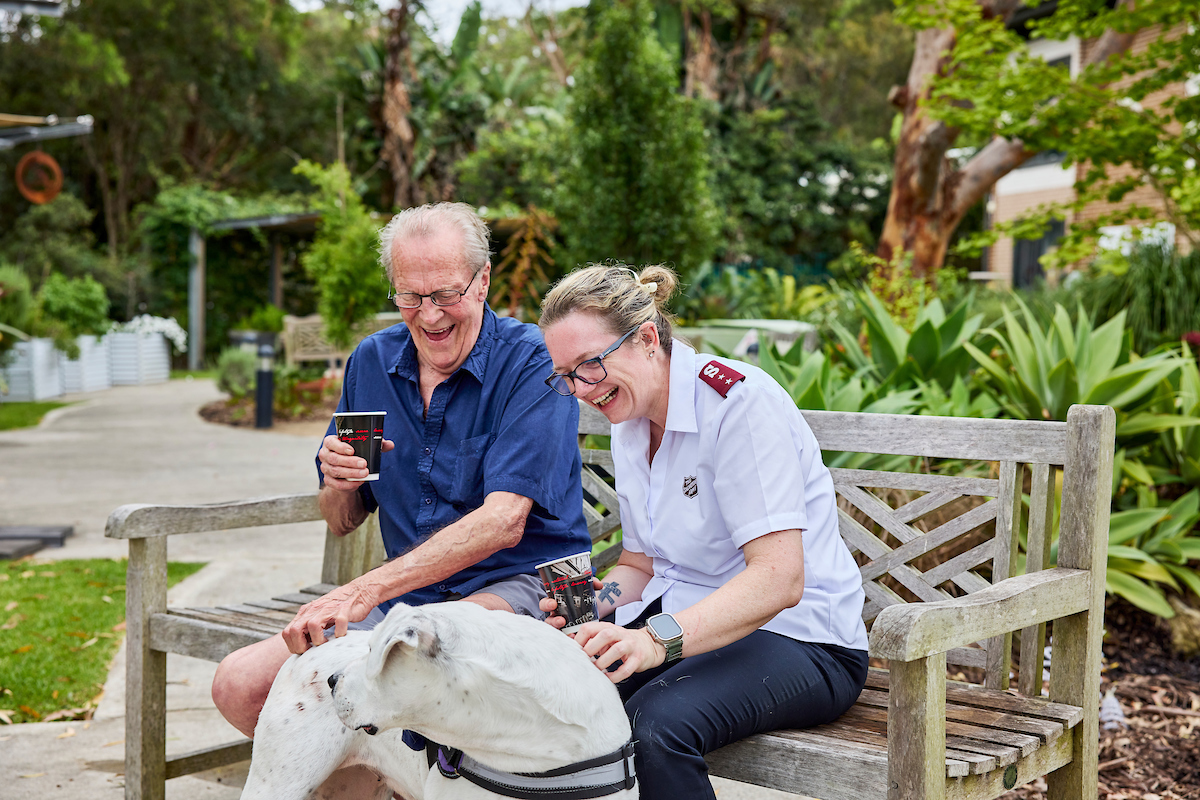
Work with us! Click here for more information on our current jobs >

What is dementia?

Dementia refers to a set of symptoms that are caused by disorders affecting the brain, causing a decline in brain function. It is not one specific disease, but instead a broader term that covers the effects on people that come about from different medical conditions. These include Alzheimer’s Disease, Vascular Dementia, Frontotemporal lobe dementia, dementia with Lewy bodies and more.

Dementia presents a different experience for each person, and it is a progressive condition where symptoms change over time. It generally affects a person’s mood, memory, thinking and behaviour.

Flexible and personalised dementia care

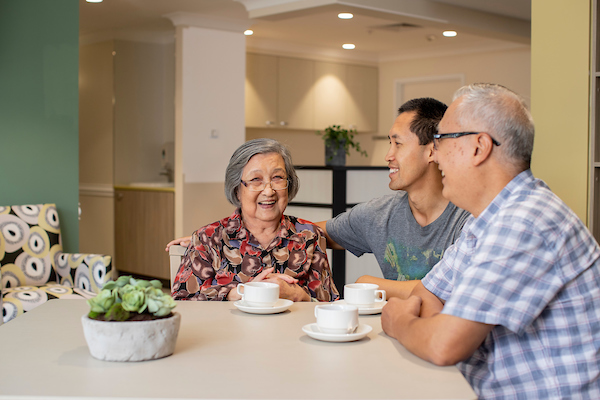
Our approach to dementia care is built on the person – their interests, feelings and emotions. We collaborate with them and their family or supporters to design a dementia care plan which is flexible and evolves with their needs. The way dementia affects each person is never the same, so we ensure our dementia care is tailored to each person.

We empower people living with dementia as much as possible and help them manage the impact of their symptoms, so that they can continue living their lives, their way.

All our aged care centres can support low levels of dementia (subject to assessment). Specialised, secure dementia care for higher-level dementia is also available in some of our centres. 

Our dementia care includes:

Personalised care plans
Dementia specific engagement programs
Supportive environments and safe open spaces
24/7 registered nurses, care service employees and clinical team
Chaplains for pastoral care or just a listening ear if desired
Support and resources for families and supporters
Access to internal and external health, behavioural and psychological specialists

Care from people who understand dementia

We engage with a range of specialists in the dementia field depending on what residents may require. This includes Dementia Australia and Dementia Support Australia, dementia consultants and mental health counsellors, plus Geriatricians, Psychogeriatricians and Geriatric Outreach Services. These health specialists and organisations provide education and training on the importance of a calm and gentle approach and provide tailored recommendations for supporting each person.

Familiar faces can make a real difference. We try to have the same familiar staff supporting residents living with dementia wherever possible. By building strong relationships and understanding each person's needs, preferences and routines, our team helps residents feel comfortable, secure and well supported. We carefully select staff who have a genuine passion, empathy and aptitude for dementia care.

There is also regular training so they are up-to-date with the latest principles and knowledge in dementia care.
Tailored activities and programs - supporting what matters most

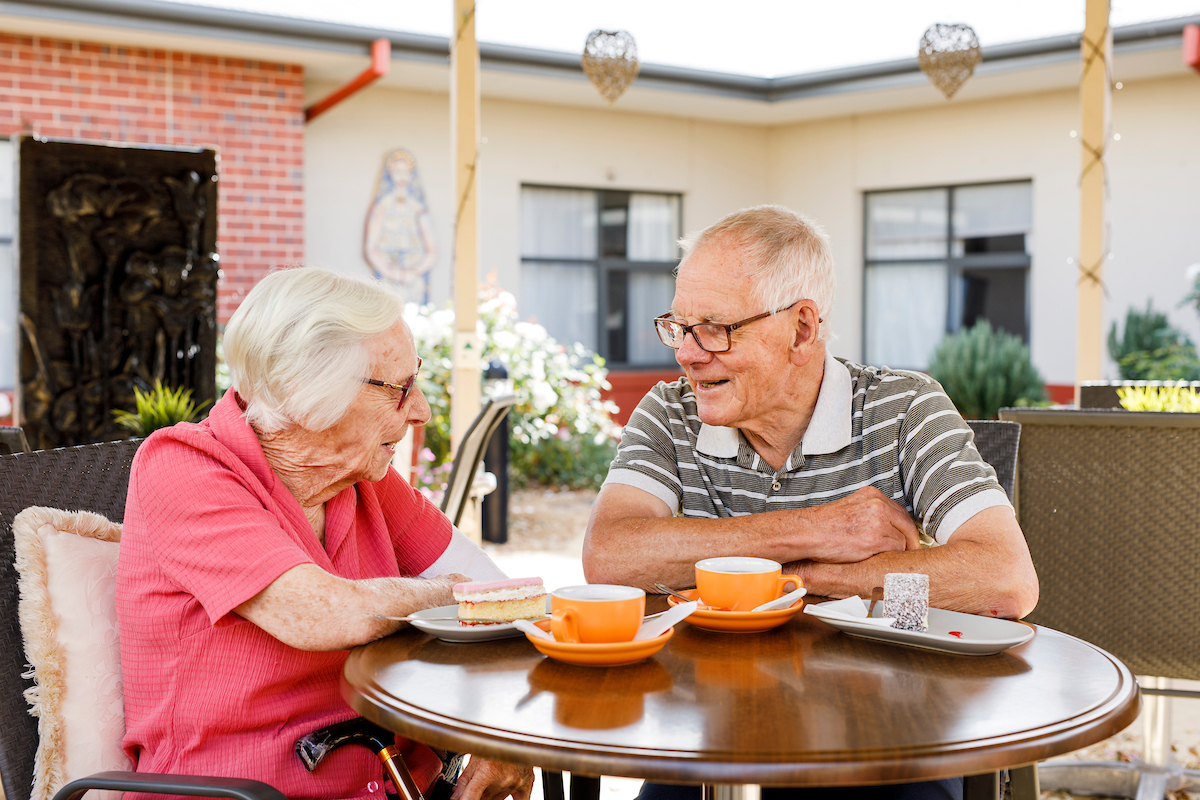
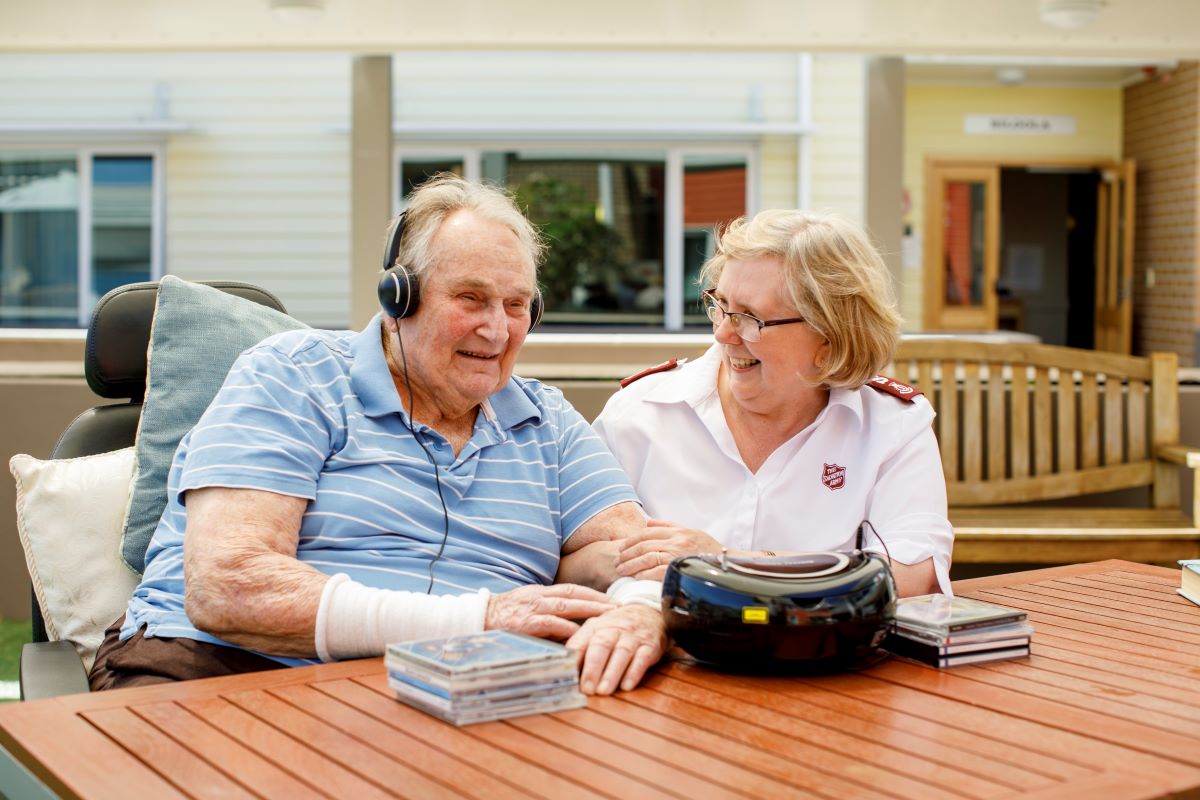
Connections are important. We love seeing the joy when someone hears a familiar song, cooks a recipe they were famous for, or paints something they thought they never could.

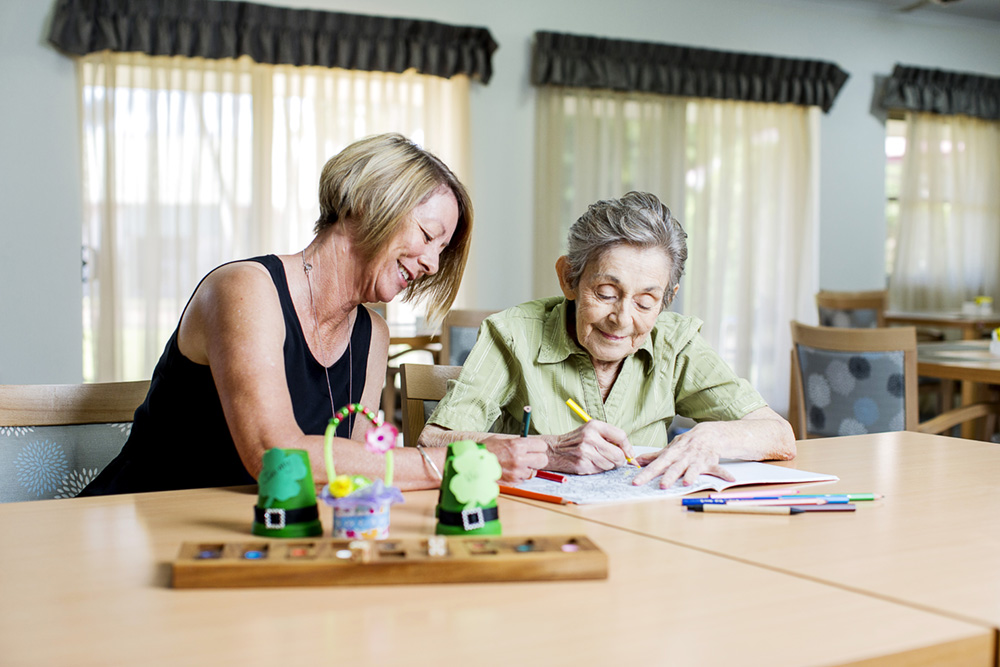
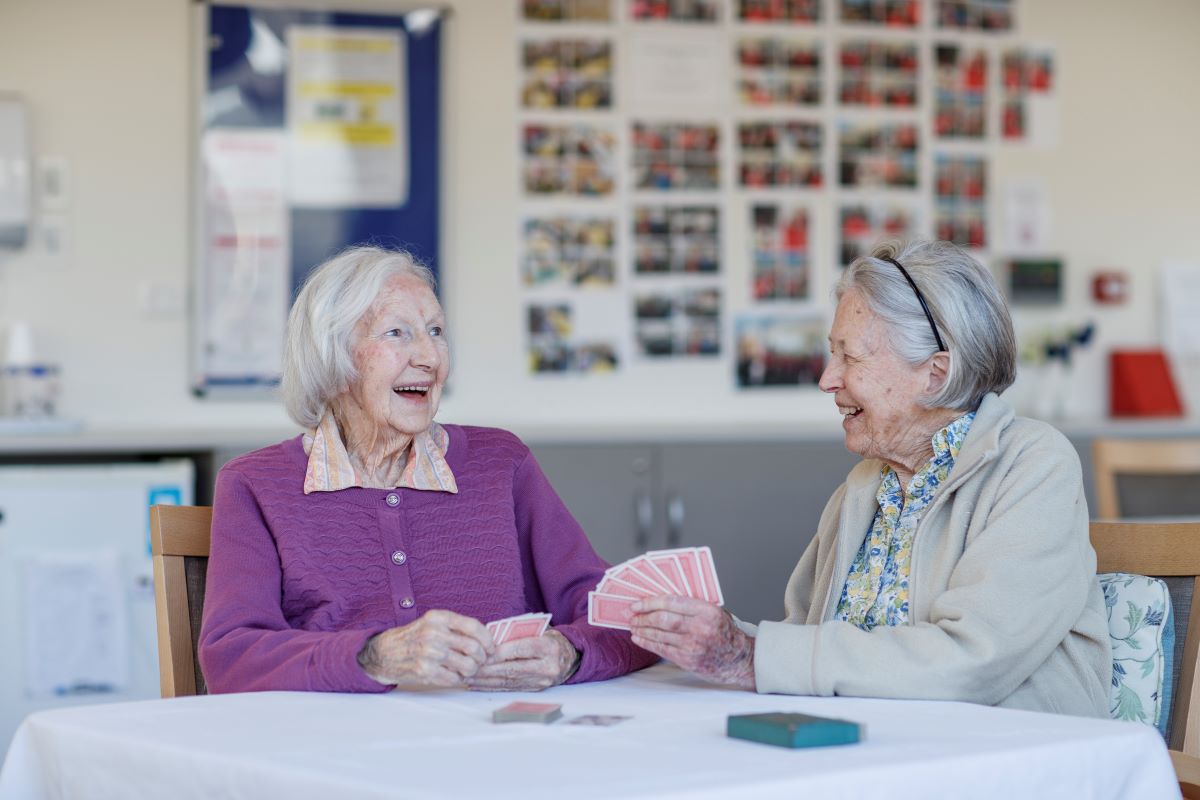
Our Lifestyle program is designed to ensure the unique needs of each person can be met and that there is a range of meaningful activities available. These activities cater to each person’s interests and often have a participation aspect or aspects of previous jobs or routines, to tap into memories and lived experiences.

A person will always have the choice to do the activities they want, when they want, with a group or on their own. Family, friends and supporters are encouraged to join in, if the resident wishes, helping to create meaningful and shared experiences.

Because dementia care is highly personalised, we work around a person’s schedule. For instance, if someone likes waking up at 6:30am and wants to have breakfast before the catering team is on duty, we make sure that that option is available. There is a focus on routine and stability, as well as flexibility as needed.

Dementia-friendly spaces

When living with dementia, how someone feels can be significantly influenced by their surroundings. Our dedicated memory support areas provide safe and comfortable living environments, aiming to help support some of the difficulties a person living with dementia may face.

Each secure dementia area has direct access to outdoor areas that are open and spacious but safe. Furniture and furnishings are used to promote comfort, independence and a sense of calm and relaxation.

Dementia care in action

Dementia care is not just about support, it’s about recognising the person behind the diagnosis. By understanding each person’s life story, we create opportunities to champion their strengths and spark a familiar happy feeling.

The names used below have been changed to protect the privacy of residents. 

Please feel free to reach out to us with any questions about dementia care at The Salvation Army Aged Care.

Almira’s work supporting people living with dementia

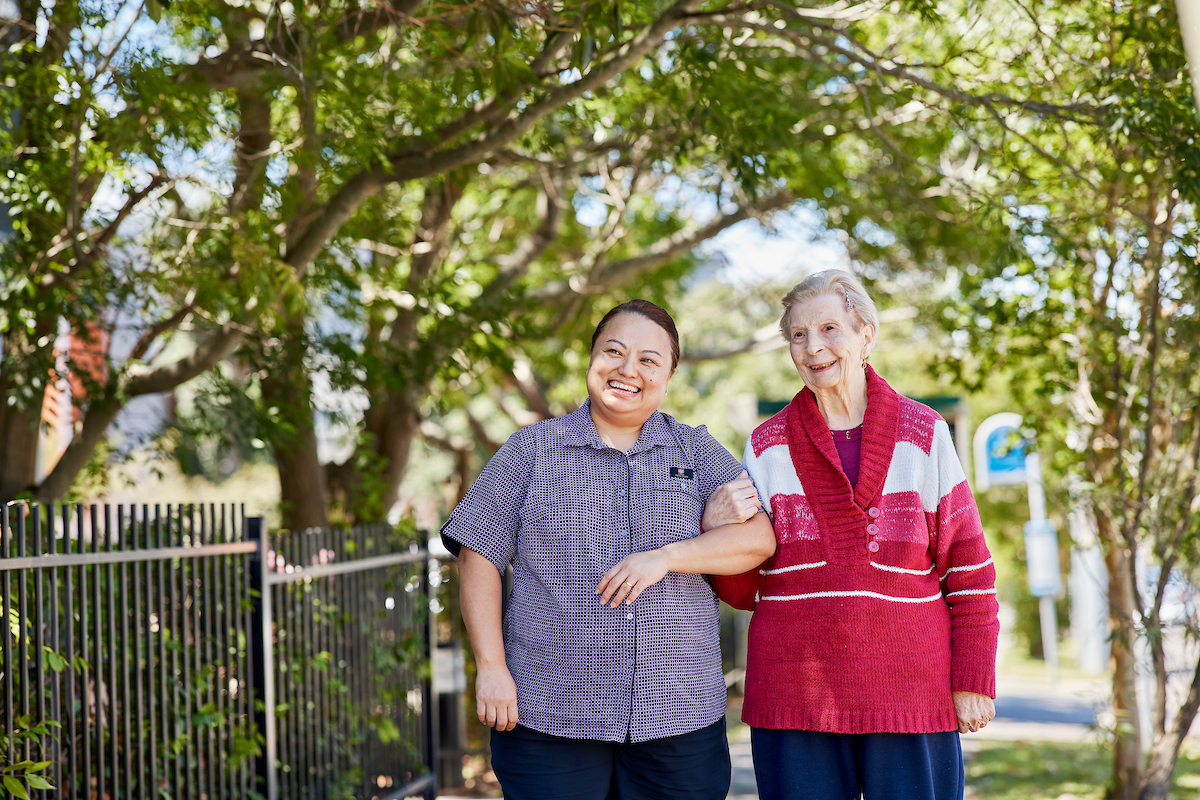
Almira provides care and Lifestyle activities for residents living with dementia at Macquarie Lodge. 

"Working with people living with dementia is quite complex. However, the joy and sense of fulfilment supersede the challenges. Gaining their trust in the face of overwhelming odds is the best sense of accomplishment,” she says. 

Read more about Almira’s work

Frequently asked questions Expand all

Dementia is a broad term to describe a collection of symptoms that are caused by specific medical conditions, such as memory loss and decline of cognitive functions. Alzheimer’s Disease is a specific brain disease and the most common form of dementia. Other types of dementia that are most common include Vascular Dementia, Fronto-temporal lobe dementia and Dementia with Lewy bodies.

  • Alzheimer’s Disease is a type of dementia that affects memory, thinking and behaviour. Symptoms often interfere with daily tasks. It is caused by a buildup of proteins in the brain that leads to the brain getting smaller. It is the most common type of dementia.
  • Vascular Dementia is caused by damage from restricted blood flow in the brain. It affects reasoning, planning, judgment and attention, and how a person functions.
  • Frontotemporal lobe dementia impacts two areas of the brain, the frontal lobes and the temporal lobes. There are four types of frontotemporal dementia: behavioural-variant frontotemporal dementia, primary progressive aphasia, semantic dementia and progressive non-fluent aphasia. Each type impacts a person differently, such as difficulty controlling emotions and impulses (behavioural variant) to difficulty understanding language and communicating (semantic dementia).
  • Lewy body dementias are caused by abnormal protein deposits (called Lewy bodies) that disrupt regions in the brain involved in thinking, memory and movement.

Early signs of dementia can be subtle and often develop gradually. Common symptoms include memory loss (especially forgetting recent events), difficulty finding the right words, confusion about time or place and difficulty completing familiar tasks. 

You may also notice changes in mood, personality or behaviour, such as increased anxiety, withdrawal, loss or reduced interest in usual activities or frustration.  

Everyone experiences dementia differently, but if these changes are becoming more frequent or starting to impact daily life, it may be time to seek medical advice and explore support options. 

There’s no single ‘right time’, but professional care can be helpful when daily tasks become more difficult or safety becomes a concern.

This might include:

  • Forgetting to take medication
  • Difficulty preparing meals
  • Increased confusion or wayfinding behaviours
  • Changes in behaviour or mobility.

Often people seek support earlier than they expect - not because they can’t cope, but because the right care can improve quality of life for both the person living with dementia and those around them.

Starting care early can help provide reassurance, maintain independence and help prevent crises later.

Support is available for people caring for someone with dementia including: 

  • In-home care services to assist with daily tasks  
  • Counselling and support groups, with organisations such as Carer Gateway and Dementia Australia offering free counselling, emotional support and practical advice 
  • Respite (short-term) care in an aged care home to give carers time to rest, recharge and attend to other commitments  
  • Education and guidance on managing dementia-related changes Dementia Australia has helpful resources and webinars 
  • Permanent residential aged care, for when a person's care needs can no longer be safely or comfortably supported at home. 

At our aged care centres, dementia care is covered in the cost of accommodation at your chosen centre. 

The following are a few suggestions for caring for someone living with dementia at home that can support independence, safety and purpose: 

  • Establish routine 
  • Simplify tasks (e.g. fill the kitchen sink with warm water and detergent) 
  • Encourage activities that are familiar and meaningful to the person 
  • Remove hazards (e.g. mats that can cause trips/falls) 
  • Discreetly secure items in the home that could be unsafe (e.g. safety locks on medicine cabinets) 
  • Make items you want the person to use clearly visible (e.g. toothbrush and toothpaste placed on the vanity) 
  • Install adaptive equipment that promotes safety and independence for e.g. grab rails in the bathroom  
  • Use emergency safety measures e.g. medical alert pendant or keep a list of emergency numbers by the phone. 

While dementia cannot be completely prevented, regular health checks and looking after your physical and brain health may help reduce your risk. A healthy diet, regular exercise, socialising and learning new things can all help lower your risk. 

Our dementia care includes: 

  • Personalised care plans 
  • Lifestyle and therapy activities specially designed for people living with dementia 
  • Comfortable and supportive environments with safe open spaces  
  • 24/7 registered nurses, care service employees and specialist staff trained in dementia care 
  • Chaplains for pastoral care or just a listening ear, if desired 
  • Access to external health specialists plus behavioural and psychological assistance 
  • Support and resources for families and supporters. 

Explore our dementia care centres

Elizabeth Jenkins Place - Collaroy, NSW

Learn more

Gill Waminda - Goulburn, NSW

Learn more

Kubirri - Mossman, QLD 

Learn more

Linsell Lodge - Angle Park, South Australia 

Learn more

Macquarie Lodge - Arncliffe, NSW

Learn more

Mountain View - Narrabundah, ACT

Learn more

Riverview Gardens - Riverview, QLD 

Learn more

The Cairns - Chapel Hill, QLD

Explore

Five overlapping diversity and inclusion logos

The Salvation Army Aged Care acknowledges the Traditional Owners of the land on which we meet and work and pay our respect to Elders past, present and future.

We value and include people of all cultures, languages, abilities, sexual orientations, gender identities, gender expressions and intersex status. We are committed to providing programs that are delivered through the lenses of local mission delivery, sustainability, safety culture and inclusive practice. We are committed to the safety and wellbeing of people of all ages, particularly children.

Search